Laptop with Green Leaves, Vector: A Practical Guide for Designers and Creators
In the fast-paced world of digital design, finding assets that balance modern technology with organic warmth is a common challenge. The Laptop with Green Leaves, Vector graphic has emerged as a versatile solution for this exact need. It symbolizes the growing intersection of remote work, sustainability, and digital nomadism. However, simply downloading a file is not enough to ensure professional results. Many creators overlook critical technical details regarding resolution, color profiles, and file formats, which can lead to frustrating outcomes in both print and web applications.
This guide explores how to effectively utilize this specific digital asset while avoiding common pitfalls that compromise quality and efficiency. Whether you are a seasoned graphic designer or a small business owner creating your own marketing materials, understanding the nuances of vector-based art is essential.
Understanding the Asset Specifications
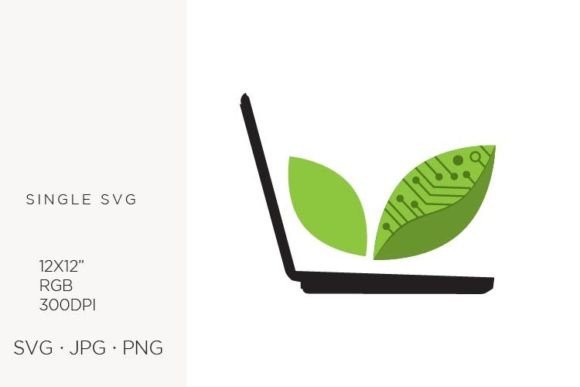
Before integrating any graphic into your project, you must understand what you are working with. This particular asset is created in Adobe Illustrator, ensuring it is fully scalable without loss of quality. The artboard size is set to 12 x 12 inches, with a resolution of 300 DPI in the RGB color palette. It is available in SVG, JPG, and PNG formats.
The inclusion of multiple file formats is a significant advantage, but it also introduces complexity. Beginners often assume all files behave identically, which is a fundamental misunderstanding. The vector nature of the original file means it relies on mathematical paths rather than pixels. This allows for infinite resizing, making it ideal for everything from tiny jewelry tags to large wall art. However, the rasterized versions (JPG and PNG) are fixed in resolution. Confusing these formats can lead to pixelated prints or unnecessarily large web files.
Common Mistakes in File Selection and Usage
One of the most frequent errors creators make is using the wrong file format for the intended medium. For instance, using a JPG for a logo design that requires transparency will result in an unwanted white box around your image. Similarly, relying on a low-resolution screenshot instead of the provided SVG or high-res PNG can ruin the professionalism of printed stationery or invitations.
- Ignoring Color Profiles: The file is provided in RGB, which is optimal for screens. If you plan to print physical items like handmade cards or announcements, you must convert the colors to CMYK. Failing to do so can result in dull or inaccurate colors in the final print.
- Overlooking Scalability: Some users resize raster images (JPG/PNG) beyond their intended limits. Unlike the vector SVG, these files will become blurry if enlarged significantly. Always use the SVG for large-format prints like wall art or party decor.
- Neglecting Layer Organization: When editing the vector file in Illustrator, failing to ungroup elements properly can make customization difficult. Take time to separate the laptop from the leaves if you wish to change their individual colors or positions.
Impact on Quality and Professionalism
These technical oversights have tangible consequences. A pixelated logo on a business card suggests a lack of attention to detail, potentially harming brand credibility. In web design, using uncompressed PNGs instead of optimized SVGs can slow down page load times, negatively affecting user experience and SEO rankings. For educators and bloggers, poor-quality graphics can distract from the educational content, reducing engagement and retention.
Moreover, incorrect color management can lead to wasted resources. Printing hundreds of invitations only to find the green leaves appear brownish due to an RGB-to-CMYK conversion error is a costly mistake. By understanding the technical specifications upfront, you avoid these inefficiencies and ensure your final product meets professional standards.
Practical Advice for Optimal Results
To maximize the potential of the Laptop with Green Leaves, Vector asset, follow these practical steps. First, always start with the SVG file when working in vector-based programs like Adobe Illustrator. This preserves editability and scalability. If you are using non-vector software, choose the PNG format for its transparency support, especially for web graphics and digital invitations.
Second, verify the resolution requirements for your output. For digital use, 72 DPI is standard, but for any printed material—such as stationery, jewelry packaging, or craft items—ensure your document is set to 300 DPI. Since the source file is high-resolution, you have the flexibility to scale down without quality loss, but you cannot scale up a low-res file effectively.
Third, consider the context of your design. The combination of a laptop and green leaves evokes themes of eco-friendly technology, remote work, and growth. Use this imagery strategically in graphic and web design projects that align with these values. For example, it works well for co-working space branding, environmental tech blogs, or sustainable product launches.
Checking Before You Commit
Before finalizing your design, perform a few critical checks. Zoom in to 400% to inspect edges for smoothness, ensuring no pixelation is present. Check color consistency across different devices if the design is for digital use. For print projects, request a proof or test print on the actual material you intend to use, as paper texture and ink absorption can alter the appearance of the green hues.
Additionally, review licensing terms if you are using this for commercial products like handmade craft items or jewelry. While many vector assets come with broad usage rights, confirming permissions prevents legal issues down the line. Ensure that your use case—whether for party decor, announcements, or web design—is covered under the provided license.
Enhancing Creativity with Customization
Do not feel constrained by the original design. The vector format allows for extensive customization. Change the shade of green to match your brand palette, adjust the angle of the laptop, or add additional elements like coffee cups or notebooks to create a more complex scene. This flexibility makes the asset valuable for a wide range of applications, from simple social media posts to intricate packaging designs.
For beginners, start with minor adjustments to build confidence. Professionals can leverage the clean paths for advanced manipulations, such as creating patterns for wallpaper or textile designs. The key is to experiment while maintaining technical precision.
In conclusion, the Laptop with Green Leaves, Vector is a powerful tool when used correctly. By respecting the technical specifications, choosing the right file format, and applying thoughtful customization, you can create high-quality, professional designs that resonate with your audience. Avoid the common traps of format confusion and color mismanagement, and you will unlock the full potential of this versatile digital graphic.