Golden Lines Inside Green Leaves: Elevating Design with Vector Precision
In the evolving landscape of digital art and graphic design, the intersection of nature-inspired motifs and modern geometric precision has created a compelling visual trend. At the forefront of this movement is the concept of Golden Lines Inside Green Leaves. This aesthetic choice is not merely decorative; it represents a sophisticated blend of organic forms and metallic elegance that resonates across various industries. Whether you are a professional designer working on a corporate brand identity or a hobbyist creating handmade greeting cards, understanding the technical and artistic nuances of these assets can significantly enhance your creative output.
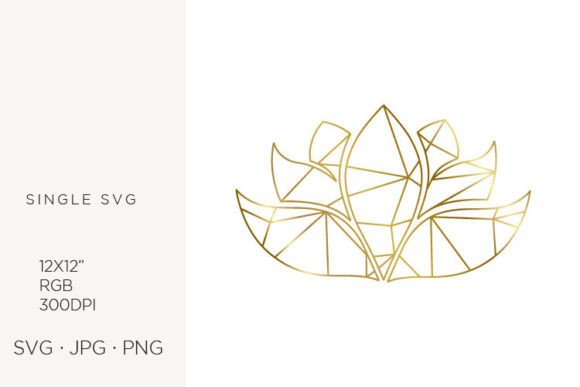
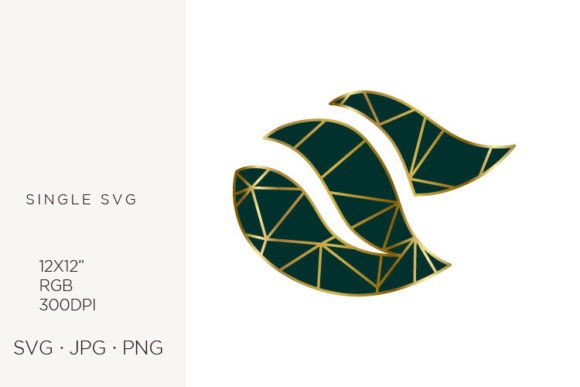
The specific digital assets we are exploring today are crafted with meticulous attention to detail. These files are generated using industry-standard vector software, specifically Adobe Illustrator, ensuring that every curve and line maintains its integrity regardless of scale. With an artboard size of 12 x 12 inches and a resolution capability of 300 DPI in the RGB color palette, these graphics are versatile enough for both high-definition screen displays and crisp physical prints. The availability of multiple file formats, including SVG, JPG, and PNG, further expands their utility, allowing creators to integrate them seamlessly into diverse workflows.
The Technical Advantage of Vector-Based Graphics
One of the most critical aspects of utilizing Golden Lines Inside Green Leaves clipart is understanding the underlying technology. Unlike raster images, which are composed of pixels and can become pixelated when enlarged, vector graphics are defined by mathematical equations. This means that the golden lines tracing the veins of the green leaves remain sharp and smooth whether they are scaled down to fit a business card or blown up to cover a large wall mural.
Creating these elements in Adobe Illustrator allows for precise control over anchor points and bezier curves. For designers, this translates to unlimited flexibility. You can easily modify the thickness of the golden lines, adjust the hue of the green leaves to match a specific brand palette, or isolate individual components of the design without losing quality. The RGB color palette used in the creation process ensures that the colors appear vibrant and true-to-life on digital screens, which is essential for web design, social media graphics, and digital invitations.
Furthermore, the inclusion of SVG (Scalable Vector Graphics) format is a game-changer for web developers and UI/UX designers. SVG files are lightweight, code-based, and responsive, making them ideal for websites that need to load quickly while maintaining visual fidelity. When combined with standard JPG and PNG formats, which are universally compatible with almost all image editing and viewing software, these assets provide a comprehensive toolkit for any creative project.
Versatility Across Creative Applications
The beauty of Golden Lines Inside Green Leaves lies in its adaptability. This design element transcends traditional boundaries, finding relevance in sectors ranging from luxury branding to personal craft projects. Let us explore how these vector-based elements can be applied in real-world scenarios.
Branding and Corporate Identity
For businesses aiming to project an image of sustainability, growth, and premium quality, these graphics offer a perfect visual metaphor. The green leaves symbolize nature, health, and renewal, while the golden lines suggest value, excellence, and sophistication. A wellness spa, an organic skincare line, or a financial consultancy focused on sustainable investments could incorporate these elements into their logo design. The clean lines and balanced composition ensure that the logo remains legible and impactful even at small sizes, such as on mobile app icons or letterheads.
Stationery and Event Design
In the realm of printed paper items and stationery, the aesthetic appeal of gold foil against deep green is timeless. These digital graphics can be used to create stunning invitations for weddings, anniversaries, or corporate galas. Designers can use the SVG files to prepare precise cut lines for die-cutting machines, ensuring that the golden accents align perfectly with the printed green background. Handmade cards and announcements benefit from the intricate details of the leaf veins, adding a touch of elegance that mass-produced designs often lack.
Home Decor and Wall Art
The trend of biophilic design, which seeks to connect building occupants more closely to nature, has surged in popularity. Golden Lines Inside Green Leaves clipart is ideally suited for creating modern wall art. Artists can print these designs on high-quality canvas or metal sheets, using the 300 DPI resolution to ensure that every detail is crisp. The contrast between the metallic gold and the natural green creates a focal point that enhances interior spaces, bringing a sense of calm and luxury to living rooms, offices, and hospitality environments.
Crafts and Jewelry Design
For hobbyists and artisans, these vector files serve as excellent templates for various handmade craft items. Laser cutting enthusiasts can use the SVG paths to cut intricate leaf shapes from wood, acrylic, or leather. The golden lines can be highlighted with paint pens or gold leaf application techniques. Additionally, jewelry designers can use these outlines as blueprints for creating pendants, earrings, or brooches. The simplicity of the line work allows for elegant metalwork, while the organic shape ensures that each piece feels unique and connected to nature.
Optimizing Workflow with Multiple File Formats
To maximize the potential of these digital graphics, it is essential to understand when to use each file format. The SVG format is best for web use and scalable applications where editing might be required. It allows developers to style the graphics with CSS, enabling dynamic color changes based on user interaction or theme settings. For print purposes, the high-resolution JPG and PNG files are indispensable. While PNG supports transparency, making it ideal for overlaying the leaf designs onto textured backgrounds or colored papers, JPG offers a smaller file size suitable for quick previews or email attachments.
When working in Adobe Illustrator or similar vector programs, designers can import these assets and further customize them. The separation of the golden lines and green leaves into different layers facilitates easy editing. This modularity allows for creative experimentation, such as changing the gold to rose gold or silver, or altering the green to autumnal shades of orange and red, depending on the seasonal context of the project.
Considerations for Professional Implementation
While the aesthetic appeal is undeniable, successful implementation requires attention to detail. Color management is crucial, especially when transitioning from screen to print. The RGB color palette used in the digital files may need conversion to CMYK for certain printing processes to ensure color accuracy. Designers should always proof their work and consider the material they are printing on, as the absorption of ink can affect the vibrancy of the green and the shimmer of the gold.
Moreover, respecting intellectual property and licensing terms is vital. When using pre-made vector assets like Golden Lines Inside Green Leaves, ensure that the license permits commercial use if the final product is intended for sale. Proper attribution, if required, should be included to maintain ethical standards in the creative community.
In conclusion, the integration of Golden Lines Inside Green Leaves into your design repertoire offers a blend of natural beauty and technical precision. By leveraging the advantages of vector-based graphics and understanding the diverse applications across branding, decor, and crafts, creators can produce work that is not only visually striking but also professionally robust. Whether you are designing a logo, crafting a wedding invitation, or decorating a home, these elements provide a foundation for creativity that is both timeless and contemporary.