Mastering the Disco Ball and Tiger Vector for Professional Digital Design
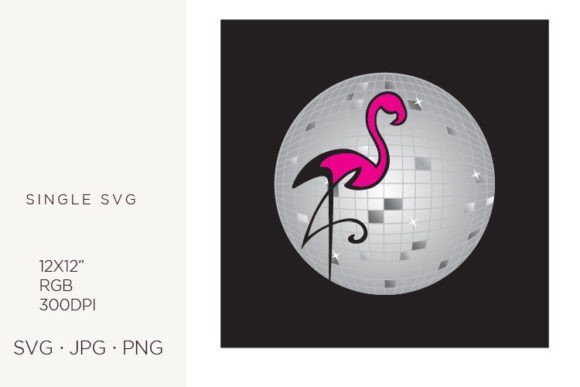
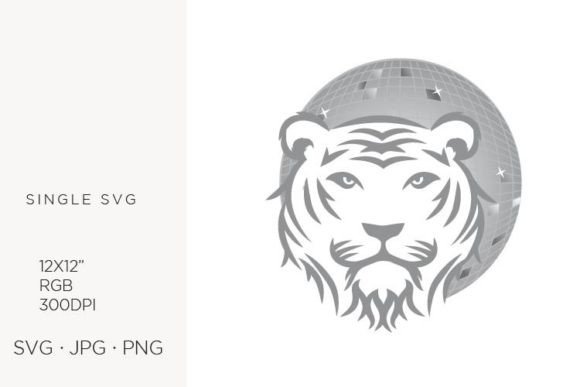
In the crowded landscape of digital assets, finding a graphic that balances whimsy with professional utility is rare. The Disco Ball and Tiger, Vector combination offers exactly that—a striking juxtaposition of retro glamour and wild energy. Whether you are designing a birthday invitation for a child, creating branding for a music festival, or crafting unique stationery, this specific artwork provides a versatile foundation. However, simply downloading the file is not enough to guarantee high-quality results. Many creators overlook the technical nuances that separate amateur outputs from polished, market-ready designs.
This guide explores how to effectively utilize this 12x12 inch, 300 DPI RGB asset while avoiding common pitfalls that can compromise your final product. By understanding the capabilities and limitations of SVG, PNG, and JPG formats, you can ensure your projects maintain their integrity across various mediums.
Understanding the Asset’s Potential and Limitations
The core appeal of the Disco Ball and Tiger, Vector lies in its dual-format delivery. You receive an SVG file for infinite scalability, a high-resolution JPG, and a transparent PNG. This trio covers most design needs, but misunderstanding when to use each format is a frequent error among beginners and even some seasoned freelancers.
Many users assume that because an SVG is included, it is always the superior choice. While SVGs are excellent for web design and cutting machines like Cricut or Silhouette, they behave differently in raster-based software like Photoshop. If you attempt to edit complex vector paths without proper node management, you may distort the tiger’s stripes or the reflective facets of the disco ball. Conversely, relying solely on the JPG for print-on-demand products can lead to harsh white backgrounds that clash with colored paper or fabric.
Common Mistakes in File Selection and Usage
One of the most significant errors designers make is ignoring the color profile specifications. This artwork is provided in the RGB color palette. RGB is optimized for screens—phones, computers, and digital displays. If you intend to use this graphic for physical printed items like invitations, announcements, or wall art, you must understand how RGB translates to CMYK (the standard for printing).
- Color Shifts: Neon brights and metallic effects often appear duller when printed if not properly managed. The shimmer of the disco ball may lose its impact if the printer cannot replicate the specific RGB luminance values.
- Resolution Misconceptions: While the PNG and JPG are 300 DPI, which is ideal for print, scaling them up beyond their original 12x12 inch dimensions will result in pixelation. Unlike the SVG, these raster files have a fixed limit.
- Transparent Background Neglect: Using the JPG instead of the PNG for layered designs creates unnecessary work. Removing a white background manually can introduce jagged edges around the tiger’s fur, ruining the clean aesthetic of the vector art.
Optimizing for Different Creative Applications
To maximize the value of your purchase, tailor your workflow to the specific end product. Here is how to avoid quality degradation across different project types.
Web and Graphic Design
For bloggers, marketers, and web designers, the SVG file is your best friend. It ensures crisp rendering on retina displays and keeps file sizes small for faster loading speeds. However, do not embed the raw SVG code directly into your CMS without checking for compatibility. Some platforms strip out certain vector attributes. A better approach is to convert the SVG to a lightweight PNG if you encounter display issues, ensuring the Disco Ball and Tiger, Vector remains sharp without breaking your site’s layout.
Handmade Crafts and Cut Files
If you are creating handmade cards, party decor, or vinyl decals, the SVG allows you to cut precise shapes. A common mistake here is failing to ungroup elements before sending them to the cutting machine. The tiger and disco ball may be composed of hundreds of tiny paths. If you do not simplify these paths or weld overlapping sections, your machine may struggle, leading to torn material or incomplete cuts. Always preview the cut lines in your software to ensure continuity.
Printed Paper Items and Stationery
For invitations and announcements, use the 300 DPI PNG with a transparent background. This allows you to place the graphic over textured paper scans or colorful gradients seamlessly. Avoid using the JPG unless you specifically want a solid white box behind the image. Before finalizing your print file, zoom in to 100% to check for anti-aliasing artifacts around the edges of the tiger. If you see halos or blurry pixels, adjust your export settings or choose a different background contrast to hide minor imperfections.
What to Check Before Finalizing Your Design
Before you send your project to print or publish it online, perform a quick quality audit. First, verify the licensing terms if you are using this for commercial products. While this asset is suitable for logo design and merchandise, ensure your usage aligns with the creator’s policy regarding resale of standalone digital files.
Second, test the scalability. Open the SVG in a vector editor and scale it to 200% and 50%. Ensure that the anchor points remain smooth and that no details disappear at smaller sizes. For the tiger’s facial features, clarity is crucial; if the eyes become muddy when shrunk, consider simplifying the design for small-format items like stickers.
Finally, consider the context. The Disco Ball and Tiger, Vector is bold and energetic. It works beautifully for party decor, youth-oriented branding, or eclectic home art. However, it may clash with minimalist or corporate aesthetics unless used sparingly as an accent. Use your judgment to balance the vibrancy of the artwork with the overall tone of your project.
Making the Right Choice for Your Project
Ultimately, the value of this digital graphics element depends on how well you integrate it into your workflow. By respecting the differences between vector and raster formats, managing color expectations for print, and preparing files correctly for cutting machines, you avoid costly reprints and disappointing results.
Remember that high-resolution assets like this 12x12 inch, 300 DPI package are tools, not magic solutions. They require thoughtful application. Whether you are a hobbyist making handmade craft items or a professional designer working on web layouts, taking the time to understand the technical details will elevate your work. Choose the right file format for the right job, check your edges and colors, and let the unique charm of the tiger and disco ball shine through in your creations.