Unlocking Creative Potential: A Guide to Versatile Digital Graphics for Modern Design
In the rapidly evolving landscape of digital design, the line between professional graphic art and accessible DIY creativity has never been thinner. Whether you are a seasoned web designer, a small business owner looking to brand your startup, or a hobbyist creating handmade cards for friends, the quality of your raw materials matters immensely. This is where high-quality digital assets come into play. By understanding the technical specifications and creative applications of versatile graphic elements—such as those featuring a Rugby Ball, a Circuit Board, and a Laptop—you can elevate your projects from amateur to professional with ease.
The demand for flexible, high-resolution imagery is at an all-time high. Consumers and creators alike are searching for resources that offer both aesthetic appeal and technical robustness. When we discuss digital graphics in this context, we are not merely talking about simple pictures; we are discussing engineered visual tools designed to perform across multiple mediums. From the tactile feel of printed stationery to the crisp display of a website header, the right file format and resolution can make or break your final product.
Understanding the Technical Foundation: Resolution and Color
Before diving into the creative possibilities, it is crucial to understand the technical backbone of these digital files. The assets described here are crafted with precision, boasting an artboard size of 12 x 12 inches and a resolution of 300 DPI (dots per inch). But what does this actually mean for your work?
DPI is a measure of printing resolution. A standard screen displays images at 72 DPI, which is sufficient for web viewing but often results in pixelation when printed. By providing files at 300 DPI, these graphics ensure that every curve of the rugby ball and every intricate trace on the circuit board remains sharp and clear, even when printed on large formats like posters or high-quality invitations. This high resolution is essential for maintaining professionalism in physical products.
Furthermore, the use of the RGB color palette ensures vibrant, true-to-life colors that pop on digital screens. While CMYK is traditionally used for printing, modern digital-first workflows often start in RGB. Having files in this format allows for seamless integration into web design, social media graphics, and digital presentations before any potential conversion for print occurs.
The Power of Vector-Based Design
Perhaps the most significant feature of these graphics is that they are created in a vector program, specifically Adobe Illustrator. Unlike raster images (like photos taken with a camera), vector graphics are based on mathematical equations rather than pixels. This distinction is vital for several reasons:
- Scalability: You can resize a vector image from the size of a postage stamp to the size of a billboard without losing any quality. There is no blurring or pixelation.
- Editability: Each element, such as the lines on the circuit board or the laces on the rugby ball, can be individually selected, colored, and modified.
- File Efficiency: Vector files are often smaller in size compared to high-resolution raster images, making them easier to store and share.
This vector foundation allows for the generation of multiple file formats, including SVG, JPG, and PNG, catering to every possible user need.
Exploring the Visual Themes: Sport, Tech, and Connectivity
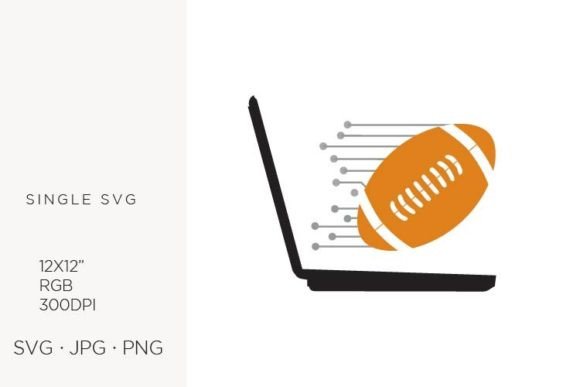
The specific combination of a rugby ball, a circuit board, and a laptop offers a unique narrative potential. These elements are not random; they represent the intersection of physical activity, technological infrastructure, and digital connectivity. This thematic blend is incredibly relevant in modern life, where sports analytics, e-sports, and tech-driven fitness tracking are booming industries.
For instance, a rugby ball symbolizes teamwork, strength, and tradition. A circuit board represents complexity, innovation, and the inner workings of technology. A laptop serves as the bridge, the tool through which we access and control these digital realms. When combined in clipart or logo designs, these elements can tell a story about "Smart Sports," "Tech-Driven Education," or "Modern Connectivity."
Practical Applications Across Industries
The versatility of these digital graphics means they can be applied to a vast array of projects. Here is how different creators can leverage these assets:
- Logo Design and Branding: Startups in the sports-tech sector can use the rugby ball and circuit board motifs to create memorable logos. The vector nature of the files allows designers to tweak colors to match brand guidelines perfectly.
- Wall Art and Home Decor: With 300 DPI resolution, these images can be printed on canvas or metal prints for modern, tech-inspired home offices or game rooms.
- Stationery and Invitations: For themed parties, such as a "Gamer Birthday" or a "Sports Banquet," these graphics can be incorporated into invitations, save-the-dates, and thank-you cards. The clean lines of vector art look particularly elegant on high-quality cardstock.
- Handmade Crafts and Jewelry: Crafters can use the PNG files with transparent backgrounds to create decals for mugs, t-shirts, or even resin jewelry. The clarity of the design ensures that small details remain visible even on miniature items.
- Web and Graphic Design: Web designers can utilize the SVG format for icons and illustrations on websites. SVGs load quickly and remain crisp on retina displays, enhancing user experience.
Clarifying Common Misconceptions
A common misunderstanding among beginners is that all digital images are created equal. Many assume that downloading a low-resolution image from the internet and enlarging it will work for print. This is rarely the case. Without the underlying vector data or sufficient DPI, enlarged images become blurry and unprofessional. By starting with assets made in Adobe Illustrator at 300 DPI, you bypass this issue entirely.
Another assumption is that vector files are difficult to use. While Adobe Illustrator is a professional tool, the availability of JPG and PNG formats means that users without advanced design skills can still drag and drop these images into user-friendly platforms like Canva, Microsoft Word, or PowerPoint. This democratization of design tools empowers a broader audience to create high-quality visuals.
Maximizing Your Creative Workflow
To get the most out of these digital elements, consider your end goal before selecting a file format. If you are designing for the web, prioritize SVG for scalability and small file size. If you are sending a quick mockup to a client, JPG is universally compatible. If you need a transparent background for layering over other designs, PNG is your best choice. For print-ready materials, always ensure you are using the highest resolution source file available.
Moreover, do not be afraid to mix and match elements. The modular nature of clipart allows you to combine the laptop with the circuit board to emphasize hardware, or the rugby ball with the laptop to highlight sports broadcasting. The creative possibilities are limited only by your imagination.
Conclusion
In conclusion, high-quality digital graphics are more than just decorative elements; they are foundational tools for effective communication in the digital age. By leveraging vector-based assets featuring themes like rugby, technology, and connectivity, creators can produce professional-grade work across various mediums. Whether you are designing a logo, crafting a handmade gift, or building a website, understanding the technical specs—such as 300 DPI resolution and RGB color palettes—ensures your final product stands out. Embrace the flexibility of SVG, JPG, and PNG formats, and let these versatile design elements inspire your next creative project.