Tiger and Car Vector Illustration: A Guide to Digital Asset Selection
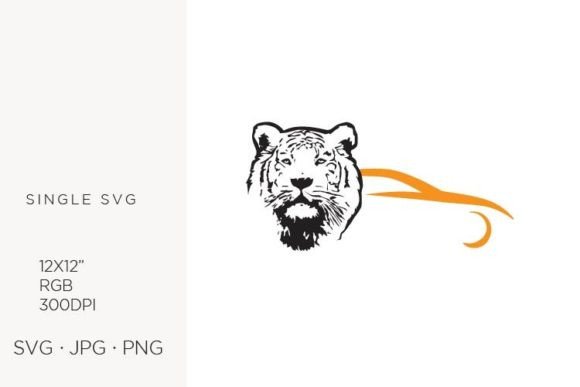
In the realm of digital design, specific thematic combinations often capture attention due to their contrasting symbolism. The Tiger and Car, Vector Illustration represents a unique fusion of raw natural power and engineered mechanical precision. For designers, crafters, and brand managers, understanding the technical specifications and practical applications of this asset is crucial for making informed purchasing or creation decisions. This article explores the characteristics, benefits, and ideal use cases for this specific type of vector clipart, helping you determine if it aligns with your creative goals.
Understanding the Asset Specifications
Before integrating any graphic element into a project, it is essential to understand its technical foundation. The Tiger and Car, Vector Illustration is not merely a static image; it is a scalable digital file created using professional vector software, specifically Adobe Illustrator. This origin ensures that the artwork remains crisp and clear regardless of size adjustments.
The standard configuration for this asset includes an artboard size of 12 x 12 inches, optimized at a resolution of 300 DPI in the RGB color palette. This setup provides a versatile square format suitable for social media icons, stickers, and print-on-demand products. The files are typically delivered in three primary formats:
- SVG (Scalable Vector Graphics): Ideal for web design and cutting machines, allowing for infinite scaling without quality loss.
- JPG (Joint Photographic Experts Group): A raster format suitable for quick previews and web usage where transparency is not required.
- PNG (Portable Network Graphics): Offers high-quality raster images with transparent backgrounds, perfect for layering in digital compositions.
Because these files are made in a vector program, they offer distinct advantages over standard raster images. Designers can modify individual anchor points, adjust colors, and resize elements without encountering pixelation, a common issue with lower-resolution JPEGs.
Why Choose a Tiger and Car Theme?
The juxtaposition of a tiger and a car creates a compelling visual narrative. Tigers symbolize strength, agility, and wild beauty, while cars represent speed, technology, and human innovation. Combining these elements appeals to audiences interested in automotive culture, wildlife conservation, or dynamic action themes.
For those evaluating this illustration for commercial use, the versatility is a significant factor. The bold lines and distinct shapes typical of vector clipart make it highly adaptable. Whether used for a logo design that needs to convey reliability and power, or for wall art that adds a modern edge to a room, the imagery resonates with diverse demographics. It bridges the gap between nature enthusiasts and automotive aficionados, expanding the potential reach of your project.
Practical Applications and Use Cases
The utility of the Tiger and Car, Vector Illustration extends across various industries and hobbyist projects. Understanding where this asset fits best can help maximize its value.
Branding and Logo Design
Businesses in the automotive sector, such as repair shops, detailing services, or custom modification studios, may find this imagery effective for branding. The tiger adds a memorable mascot element, distinguishing the brand from competitors who rely solely on textual logos. The vector format ensures the logo remains sharp on business cards, vehicle wraps, and large signage.
Print-on-Demand and Merchandise
For creators selling handmade craft items or printed paper goods, this clipart is a valuable resource. The 12 x 12 inch artboard size is perfectly suited for t-shirt prints, tote bags, and posters. The RGB color palette ensures vibrant outputs on digital screens, while the 300 DPI resolution guarantees high-quality prints on stationery, invitations, and announcements.
Digital and Web Design
Web designers can utilize the SVG format to create interactive elements or icons that load quickly and scale responsively across devices. The clean lines of the vector illustration integrate well with modern minimalist web layouts, adding visual interest without cluttering the interface.
Evaluating Tradeoffs and Considerations
While vector illustrations offer numerous benefits, there are tradeoffs to consider. One primary consideration is the learning curve associated with editing vector files. Unlike simple drag-and-drop raster images, modifying an SVG or AI file requires familiarity with software like Adobe Illustrator or compatible alternatives. Users must be comfortable manipulating paths and layers to customize the design effectively.
Another factor is color management. The files are provided in the RGB color palette, which is optimal for digital displays. However, if the intended use is professional offset printing, converting RGB to CMYK may result in slight color shifts. Designers should perform test prints to ensure the vibrancy of the tiger’s fur and the car’s finish meets their expectations in physical form.
Additionally, while the 12 x 12 inch size is versatile, it may require upscaling for very large format prints, such as billboards. Although vectors can be scaled infinitely, the initial complexity of the design should be considered. Overly intricate details might become lost if the image is viewed from a distance, so simplifying elements may be necessary for large-scale applications.
When to Consider Alternatives
There are scenarios where the Tiger and Car, Vector Illustration may not be the optimal choice. If your project requires photorealistic imagery, a raster-based photograph or a 3D render might be more appropriate. Vector art, by nature, stylizes reality, which may not align with brands seeking a hyper-realistic aesthetic.
Furthermore, if your target audience prefers subtle, understated designs, the bold and dynamic nature of a tiger combined with a car might appear too aggressive. In such cases, abstract graphics or softer illustrative styles could better serve the brand’s tone. Always evaluate the emotional response you wish to evoke before selecting this specific thematic combination.
Making the Right Decision
Selecting the right digital asset involves balancing technical requirements with creative vision. The Tiger and Car, Vector Illustration offers a robust solution for projects needing scalability, versatility, and strong visual impact. Its compatibility with various file formats—SVG, JPG, and PNG—ensures it can be integrated into both digital and physical mediums seamlessly.
To determine if this asset aligns with your needs, consider the following steps:
- Assess Technical Skills: Ensure you or your team have the capability to edit vector files if customization is required.
- Define End Use: Confirm whether the final output is primarily digital or print, and adjust color profiles accordingly.
- Evaluate Brand Fit: Determine if the themes of power and speed resonate with your target audience.
By carefully weighing these factors, you can leverage the Tiger and Car, Vector Illustration to enhance your creative projects, whether for jewelry designs, party decor, or comprehensive graphic and web design initiatives. This thoughtful approach ensures that the digital graphics elements you choose not only meet technical standards but also contribute meaningfully to your overall design strategy.