Integrating the Yin Yang Balance Symbol into Modern Digital Design and Brand Identity
In an era where visual communication is instantaneous and often overwhelming, the need for clarity, harmony, and meaningful symbolism has never been greater. Designers, marketers, and entrepreneurs are increasingly turning to timeless archetypes to ground their creative work. Among these, the Yin Yang, or Balance Symbol, stands out as a powerful tool for conveying equilibrium, duality, and unity. This ancient concept, when translated into modern digital formats such as vector-based graphics, offers versatile applications across various industries, from corporate branding to handmade crafts.
The resurgence of interest in this symbol is not merely aesthetic; it reflects a broader cultural shift toward mindfulness, sustainability, and holistic well-being. For professionals working with digital assets, understanding how to effectively utilize high-quality Yin Yang clipart and vector files can significantly enhance the impact of their projects. Whether you are creating a logo for a wellness startup, designing stationery for a boutique brand, or developing web elements for a tech company focused on user experience, the balance symbol provides a visual shorthand for stability and integration.
The Evolution of Digital Assets: From Raster to Vector Precision
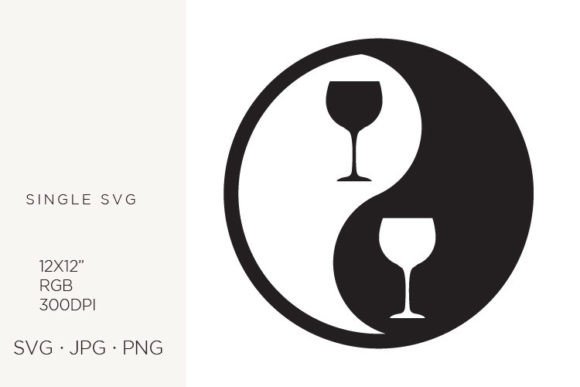
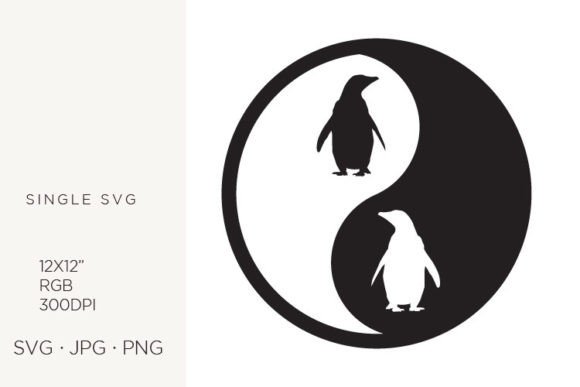
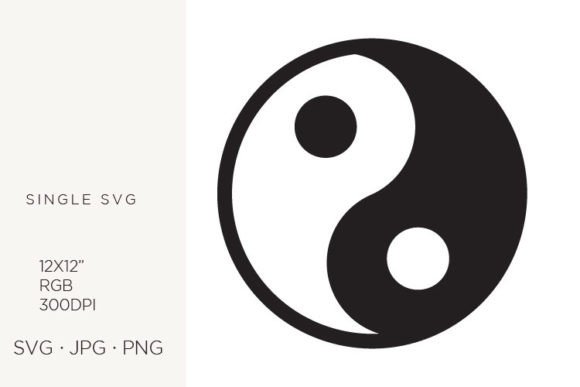
To leverage the Balance Symbol effectively in professional contexts, one must understand the technical foundation of the digital files involved. The specification of vector based - artboard size 12 x 12 resolution 300 dpi RGB color palette is not arbitrary; it represents the gold standard for versatility in modern design workflows. Vector graphics, typically created in programs like Adobe Illustrator, allow for infinite scalability without loss of quality. This is crucial for designers who need to apply the same asset to both a small business card and a large-scale wall art installation.
When files are provided in multiple formats such as svg, jpg, and png, they cater to diverse technical requirements. The svg format is essential for web design and responsive interfaces, ensuring crisp rendering on any screen size. Meanwhile, high-resolution jpg and png files are indispensable for print media, including invitations, announcements, and printed paper items. The RGB color palette ensures vibrant display on digital screens, while the 300 dpi resolution guarantees sharpness in physical prints. This multi-format approach empowers creators to maintain consistency across all touchpoints of their brand or project.
Strategic Applications in Branding and Marketing
For marketers and entrepreneurs, the Yin Yang is more than a decorative element; it is a strategic asset. In a market saturated with aggressive messaging and chaotic visuals, brands that project calmness and balance often resonate more deeply with consumers. The Balance Symbol can be integrated into logo design to communicate values such as fairness, partnership, and holistic health. For instance, a financial consultancy might use a stylized version of the symbol to represent the balance between risk and reward, while a healthcare provider might use it to signify the integration of mind and body.
Consider the growing trend of "conscious consumerism." Buyers are increasingly looking for brands that align with their values of sustainability and ethical practice. Using a Yin Yang clipart in packaging design or promotional materials can subtly signal a commitment to ecological balance and social responsibility. This is particularly effective in industries such as organic food, eco-friendly fashion, and sustainable home goods. The symbol acts as a visual cue that reinforces the brand’s narrative without the need for excessive text.
Creative Versatility: From Web Design to Handmade Crafts
The utility of these digital graphics extends far beyond corporate branding. For freelancers and creative enthusiasts, the availability of high-quality vector files opens up a myriad of possibilities for personalized projects. The ability to manipulate the Balance Symbol in Adobe Illustrator allows for customization that fits specific aesthetic needs. Designers can adjust colors, modify shapes, or combine the symbol with other elements to create unique compositions.
- Wall Art and Home Decor: Large-format prints featuring the Yin Yang can serve as focal points in minimalist interiors, promoting a sense of tranquility.
- Stationery and Invitations: Elegant, subtle uses of the symbol on wedding invitations or business cards can convey sophistication and thoughtfulness.
- Handmade Cards and Announcements: Crafters can incorporate the symbol into paper crafts, adding a layer of meaning to personal messages.
- Jewelry Design: The symmetrical nature of the Balance Symbol makes it ideal for pendant and earring designs, appealing to those who seek meaningful accessories.
- Party Decor: For events focused on wellness, yoga, or meditation, the symbol can be used in banners, table settings, and favors to reinforce the theme.
This versatility is driven by the changing expectations of consumers, who value personalization and authenticity. Mass-produced items are often replaced by bespoke creations that tell a story. By using adaptable digital assets, creators can meet this demand efficiently, producing high-quality, customized items at scale.
Aligning with Broader Cultural and Technological Trends
The attention paid to the Yin Yang and similar symbols is part of a larger movement toward holistic thinking in both personal and professional spheres. In technology, for example, there is a growing emphasis on "human-centered design," which seeks to balance technological advancement with human well-being. The Balance Symbol can be used in user interface design to represent features that promote digital detox, mindfulness, or work-life balance.
Furthermore, the global conversation around mental health has elevated the importance of visual cues that promote calm and stability. In web design, the use of balanced compositions and harmonious symbols can reduce cognitive load and improve user experience. This is not just about aesthetics; it is about creating digital environments that support mental well-being. The Yin Yang, with its inherent message of equilibrium, is perfectly suited for this purpose.
From a business perspective, the integration of such symbols reflects a shift in leadership styles. Modern leaders are expected to be both decisive and empathetic, strategic and adaptable. The Balance Symbol can serve as a visual metaphor for this dualistic approach, appearing in internal communications, training materials, and corporate branding to reinforce these values.
Practical Considerations for Implementation
When incorporating the Yin Yang clipart into your projects, it is important to consider context and respect. While the symbol has been widely adopted in popular culture, its origins in Taoist philosophy emphasize the dynamic interplay of opposing forces. Using it thoughtfully involves understanding this depth and avoiding trivialization. For professional designers, this means ensuring that the symbol is used in a way that honors its meaning and enhances the message of the project.
- Contextual Relevance: Ensure that the use of the Balance Symbol aligns with the core values of the brand or project. It should feel integral, not incidental.
- Visual Harmony: Use the vector capabilities to adjust the symbol’s proportions and colors to fit seamlessly with the overall design scheme.
- Technical Quality: Always start with the highest quality source files, such as the svg or high-resolution png, to ensure optimal output in any medium.
- Cultural Sensitivity: Be mindful of the cultural significance of the symbol, especially when targeting global audiences.
By adhering to these principles, creators can produce work that is not only visually appealing but also meaningful and respectful. The availability of professional-grade digital assets makes this easier than ever, allowing for precise control over every aspect of the design.
Conclusion: Embracing Balance in a Complex World
The enduring appeal of the Yin Yang lies in its simplicity and depth. In a world characterized by rapid change and complexity, the desire for balance is universal. For professionals, creators, and entrepreneurs, leveraging high-quality digital representations of the Balance Symbol offers a powerful way to connect with audiences on a deeper level. Whether through logo design, web elements, or handmade crafts, the symbol serves as a reminder of the importance of harmony and integration.
As workflows evolve and consumer preferences shift toward authenticity and mindfulness, the tools we use to communicate must adapt. Vector-based graphics, with their flexibility and precision, provide the ideal medium for this expression. By integrating the Yin Yang into our creative practices, we not only enhance the aesthetic quality of our work but also contribute to a broader cultural conversation about balance, well-being, and sustainable living. The future of design is not just about innovation; it is about integration, and the Balance Symbol is a timeless guide in this journey.